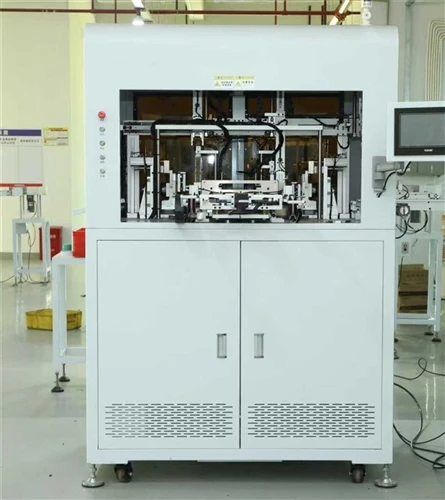
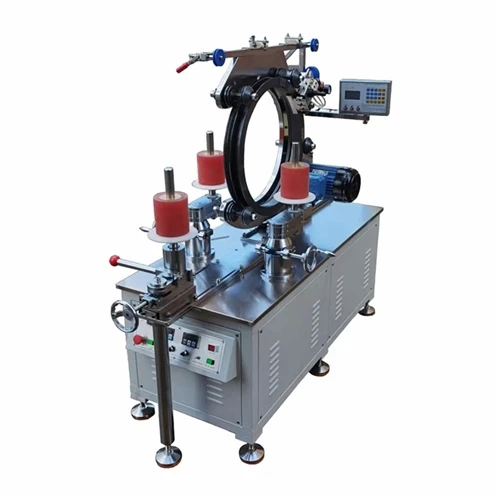
With the rapid development of electrical equipment, new energy vehicles, and smart grids, demand for wire and cable processing continues to grow. As core equipment for wire harness processing, automatic wire stripping machines are experiencing a parallel trend of technological upgrades, intelligence, and customization.
Technological Upgrades Drive Efficiency Improvements
Traditional wire stripping machines rely on semi-automated operation. However, the new generation of automatic wire stripping machines utilizes high-precision sensors, servo motors, and multi-axis control systems to precisely control stripping length and depth, increasing processing speed by over 30% compared to traditional equipment. Furthermore, the application of new technologies such as laser and plasma stripping solves the challenges of stripping fine-diameter cables and special materials (such as shielded and alloy wires), further broadening the application scenarios of these machines.
Integration of Intelligence and the Industrial Internet
The industry is accelerating its transformation toward intelligence. By integrating AI visual inspection and data management systems, automatic wire stripping machines can monitor tool wear and wire quality in real time and automatically adjust parameters, reducing manual intervention. Some manufacturers have launched IoT-enabled devices, enabling remote operation and maintenance and fault warnings, improving overall production line efficiency. Furthermore, wire stripping machines connected to MES systems can seamlessly integrate into digital factories and meet the demands of Industry 4.0.

Customized Services Become Key to Competitiveness
Downstream customers' personalized requirements for wire harness processing (such as compatibility with multiple wire diameters and complex stripping processes) are forcing equipment manufacturers to offer customized solutions. For example, to meet the high-temperature stripping requirements of high-voltage wiring harnesses for new energy vehicles or the high-frequency signal protection requirements of communication cables, manufacturers must flexibly adjust mechanical structures and software algorithms. This trend is driving the industry from standardized production to a "turnkey engineering" service model.
In the future, the automatic wire stripping machine industry will continue to innovate around efficiency, intelligence, and flexibility. Environmental protection and energy conservation (such as low-energy design and waste recycling capabilities) will also be key development directions. Companies must keep pace with technological advancements and market demands to capture market share through differentiated competitive advantages.