


As a stranding winding machine supplier, I have witnessed firsthand the importance of improving the stranding quality in manufacturing various electrical components. In this blog post, I will delve into the key measures that can be taken to enhance the stranding quality of a stranding winding machine.
Understanding the Stranding Process
Before discussing the improvement measures, it is essential to understand the stranding process itself. Stranding involves twisting multiple wires together to form a single cable. This process not only increases the flexibility and strength of the cable but also reduces the resistance and improves the electrical performance. The stranding quality is crucial as it directly affects the overall performance and reliability of the final product.

1. Raw Material Selection
The quality of the raw materials used in the stranding process significantly impacts the stranding quality. High - quality wires with uniform diameter, good surface finish, and consistent material properties are essential. When selecting wires, factors such as conductivity, tensile strength, and flexibility should be considered. For example, wires with a smooth surface are less likely to cause friction during the stranding process, which can lead to a more uniform twist.
2. Machine Calibration
Proper calibration of the stranding winding machine is vital for achieving high - quality stranding. The tension of the wires, the speed of the spindles, and the pitch of the twist need to be accurately calibrated. Incorrect tension can result in loose or tight strands, while improper spindle speed can cause uneven twisting. Regular calibration and maintenance of the machine according to the manufacturer's recommendations can ensure stable and consistent performance.
3. Tension Control
Maintaining consistent tension on each wire during the stranding process is one of the most critical factors in improving stranding quality. An imbalance in tension can lead to uneven stranding, where some wires are tighter or looser than others. Modern stranding winding machines are often equipped with advanced tension control systems. These systems can sense the tension of each wire in real - time and adjust it accordingly. For example, by using tension sensors and servo motors, the system can automatically increase or decrease the tension to keep it within a set range.
4. Twisting Precision
The precision of the twisting operation directly affects the quality of the stranded cable. The stranding winding machine should be able to maintain a constant twist pitch along the entire length of the cable. Any variation in the twist pitch can lead to inconsistent electrical performance and mechanical properties. To achieve high - precision twisting, the machine's control system should be accurate and reliable. It should be able to precisely control the rotation of the spindles and the movement of the wires.
5. Cooling and Lubrication
During the stranding process, friction between the wires and the machine components can generate heat. Excessive heat can damage the wires and affect the stranding quality. Therefore, proper cooling and lubrication are necessary. Cooling systems can be used to dissipate the heat generated during the process, while lubricants can reduce the friction between the wires and the machine parts. This not only improves the stranding quality but also extends the service life of the machine.
6. Operator Training
Well - trained operators are essential for ensuring high - quality stranding. Operators should have a deep understanding of the stranding process, the machine's operation, and the quality control requirements. They should know how to adjust the machine parameters according to different wire materials and specifications. Regular training programs can be provided to keep the operators updated with the latest techniques and best practices in stranding.
7. Quality Inspection
Implementing a comprehensive quality inspection system is crucial for detecting and correcting any issues in the stranding process. Inspection can be carried out at various stages, including in - process inspection and final product inspection. In - process inspection allows for immediate detection of problems such as uneven stranding or wire breakage, enabling timely adjustments to the machine. Final product inspection ensures that the stranded cables meet the required standards and specifications.
Our Product Solutions
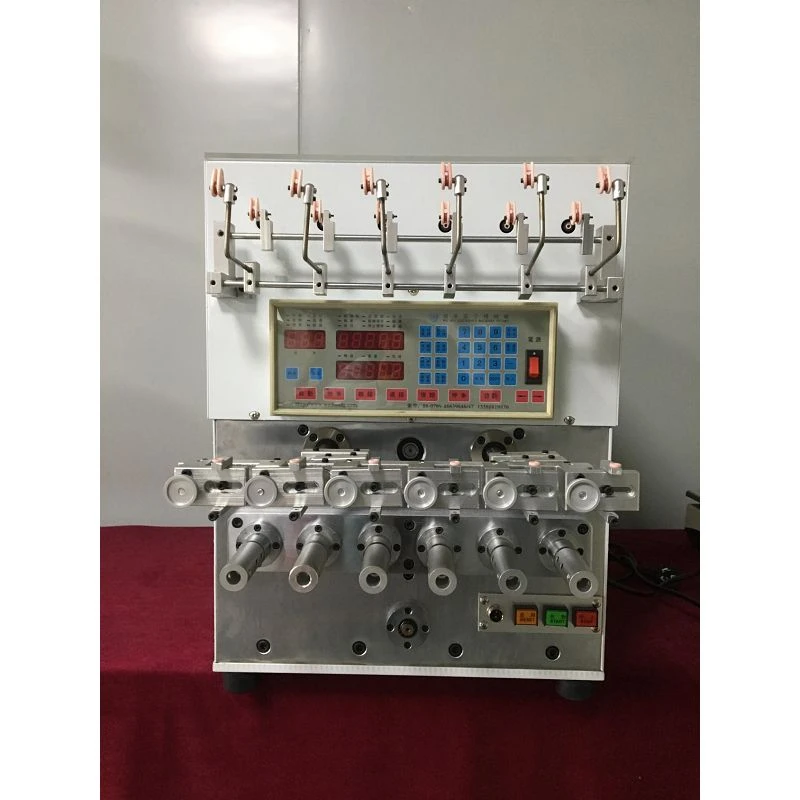
At our company, we offer a range of high - quality stranding winding machines designed to meet the diverse needs of our customers. For example, our KX - 984B 4 - Axis Twisting And Winding Machine is equipped with advanced tension control and precision twisting mechanisms, ensuring excellent stranding quality. Another popular product is our Six Spindles Automatic Stranding Coil Winding Machine, which is known for its high efficiency and consistent performance.
Conclusion
Improving the stranding quality of a stranding winding machine requires a combination of measures, including proper raw material selection, machine calibration, tension control, twisting precision, cooling and lubrication, operator training, and quality inspection. By implementing these measures, manufacturers can produce high - quality stranded cables that meet the strict requirements of various industries.
If you are interested in improving your stranding quality or are looking for a reliable stranding winding machine, we are here to help. Contact us to discuss your specific needs and explore how our products can meet your manufacturing requirements.
References
- "Cable Manufacturing Technology" by John D. Commins.
- Industry standards and guidelines related to cable stranding and winding.


