


As a supplier of stator winding machines, one of the key aspects that often comes under scrutiny is the winding layer thickness control. This is a critical parameter in the operation of a stator winding machine, as it directly impacts the performance, efficiency, and reliability of the stators produced. In this blog, we will delve into what winding layer thickness control is, why it matters, and how our stator winding machines excel in this area.
Understanding Winding Layer Thickness Control
Winding layer thickness control refers to the precise management of the thickness of each layer of wire wound around the stator core. When a stator winding machine is in operation, it wraps wire around the stator slots in multiple layers. The thickness of these layers needs to be carefully regulated to ensure optimal performance of the stator.
The process of winding involves feeding a wire through a winding head and onto the stator core. The machine must control how tightly the wire is wound, how many turns are made in each layer, and the overall thickness of each layer. This is a complex task that requires a combination of mechanical precision, electrical control, and software algorithms.
Why Winding Layer Thickness Control Matters
Performance and Efficiency
The thickness of the winding layers directly affects the electrical properties of the stator. A uniform layer thickness ensures consistent electrical resistance and inductance throughout the stator. This, in turn, leads to better performance and higher efficiency of the motor or generator in which the stator is used. If the layer thickness is not controlled properly, there may be variations in the electrical properties, which can result in reduced efficiency, increased heat generation, and even premature failure of the motor.
Space Utilization
In many applications, space is a critical factor. Stators need to be designed to fit within specific dimensions. Precise winding layer thickness control allows for better utilization of the available space. By ensuring that the layers are wound tightly and evenly, more wire can be packed into the stator slots, increasing the magnetic field strength and the overall power output of the motor.
Quality and Reliability
Consistent winding layer thickness is essential for maintaining high-quality standards. A stator with well-controlled layer thickness is less likely to have defects such as loose wires, short circuits, or uneven magnetic fields. This improves the reliability of the motor and reduces the risk of breakdowns, which is crucial for industrial applications where downtime can be costly.
How Our Stator Winding Machines Control Winding Layer Thickness
Advanced Mechanical Design
Our stator winding machines are equipped with high-precision mechanical components. The winding heads are designed to feed the wire smoothly and evenly onto the stator core. The tension control system ensures that the wire is wound with the right amount of tension, preventing it from being too loose or too tight. This mechanical precision is the foundation for accurate winding layer thickness control.
Intelligent Electrical Control
The electrical control system of our machines plays a crucial role in regulating the winding process. It monitors and adjusts the speed of the winding head, the feed rate of the wire, and the number of turns in each layer. By precisely controlling these parameters, the machine can achieve consistent layer thicknesses. The control system also has the ability to detect any deviations from the set parameters and make real-time adjustments to ensure that the winding quality remains high.
Software Algorithms
We have developed sophisticated software algorithms that are integrated into our stator winding machines. These algorithms take into account various factors such as the wire diameter, the stator slot dimensions, and the desired winding pattern. They calculate the optimal number of turns and the layer thickness for each stator design. The software also provides a user-friendly interface that allows operators to easily set and adjust the winding parameters, ensuring that the machine can produce stators with the required layer thicknesses.
Applications and Benefits
Industrial Motors
In industrial applications, our stator winding machines with precise winding layer thickness control are used to produce high-quality stators for motors. These motors are used in a wide range of industries, including manufacturing, mining, and transportation. The consistent layer thickness ensures that the motors operate efficiently and reliably, reducing energy consumption and maintenance costs.
Home Appliances
For home appliances such as Ceiling Fan Winding Machine, our machines can produce stators with the right winding layer thickness to ensure quiet and efficient operation. The precise control of the winding process also allows for the production of smaller and more compact stators, which is beneficial for the design of modern home appliances.
Renewable Energy
In the renewable energy sector, our stator winding machines are used to manufacture stators for generators in wind turbines and solar power systems. The accurate winding layer thickness control helps to improve the efficiency of these generators, increasing the power output and reducing the cost of renewable energy production.
Conclusion
Winding layer thickness control is a crucial aspect of the stator winding process. It directly impacts the performance, efficiency, and reliability of the stators produced. As a supplier of stator winding machines, we are committed to providing our customers with machines that offer precise and reliable winding layer thickness control. Our advanced mechanical design, intelligent electrical control, and sophisticated software algorithms ensure that our machines can produce high-quality stators for a wide range of applications.
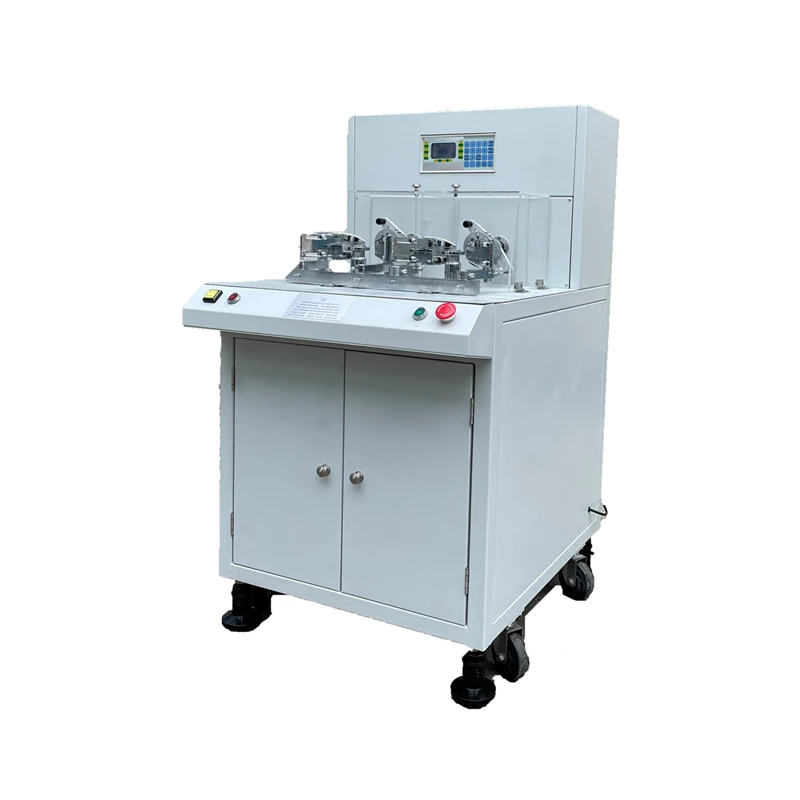

If you are interested in learning more about our stator winding machines or would like to discuss your specific requirements, we encourage you to reach out to us. Our team of experts is ready to assist you in finding the right solution for your stator winding needs. Contact us today to start the conversation and take your stator production to the next level.
References
- Smith, J. (2018). Electrical Machine Design. Publisher X.
- Johnson, A. (2019). Winding Technology for Electric Motors. Publisher Y.
- Brown, C. (2020). Advanced Control Systems in Manufacturing. Publisher Z.


