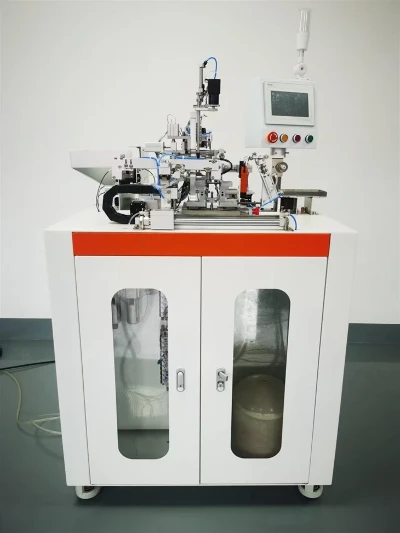


1. Industry Background: Electronic Miniaturization Drives New Demand for Winding Equipment
1.1 Expanding Global Market Scale
With the rapid iteration of global electronic manufacturing toward miniaturization, high‑frequency performance and high reliability, toroidal coils have become core components of transformers, inductors and sensors, seeing surging market demand.
The global automatic winding machine market exceeded USD 4.5 billion in 2025, with an annual compound growth rate of 12.3%. As a key manufacturing hub, China's export value of winding machines reached USD 182 million, a year‑on‑year increase of 34.1%.
Among them, belt‑type models stand out as mainstream export products due to their outstanding cost‑performance.
1.2 Widened Downstream Application Scenarios
Belt‑type fully automatic toroidal winding machines perfectly fit small‑gauge wire and mass‑production scenarios, mainly applied in three fast‑growing sectors:
Consumer electronics: Micro coils for fast‑charging power supplies, smart sensors and wearable devices
New energy industry: Precision windings for PV inverters, energy‑storage inductors and vehicle‑mounted charging modules
Medical & industrial control: Portable medical equipment, industrial current transformers and miniature power coils
1.3 Bottlenecks of Traditional Winding Solutions
Traditional semi‑automatic and gear‑driven winding equipment faces obvious drawbacks for modern coil manufacturing:
Fine wire winding difficulty: Ultra‑fine wires of 0.15–0.4 mm are prone to breakage and uneven arrangement, with manual production yield lower than 85%
High operational cost: Gear‑type machines feature high prices, core scratching risks and complex maintenance
Low production flexibility: Conventional equipment requires long setup time, unable to meet multi‑specification and fast‑delivery production requirements
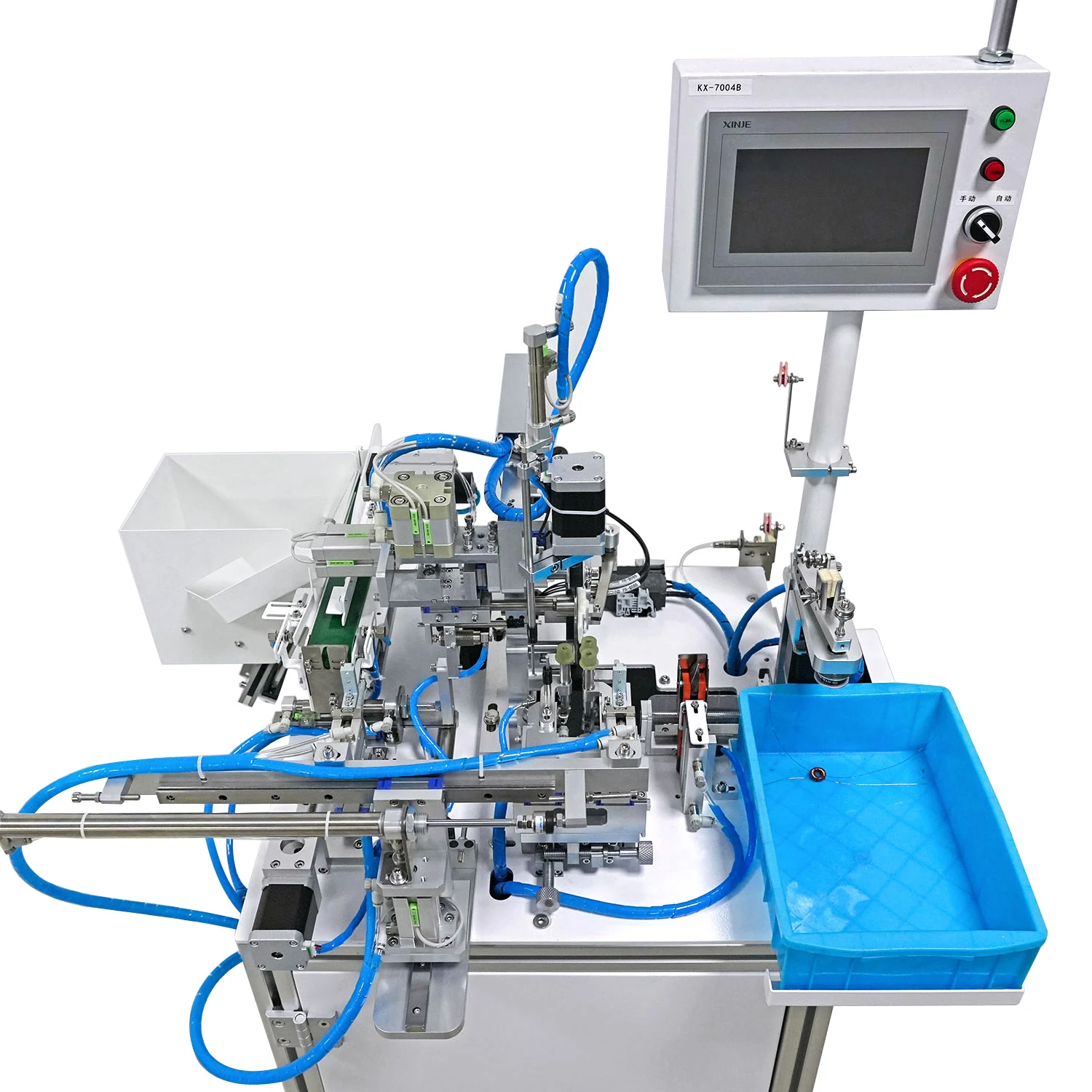
2. Technological Innovation: Core Advantages of Belt‑Type Toroidal Winding Machines
2.1 Flexible Belt‑Driven Transmission System
Different from rigid gear transmission, high‑strength synchronous belt drive delivers soft start‑stop performance:
Effectively avoids wire breakage and core scratching, raising production yield above 99.5%
Low‑noise operation (≤65dB), suitable for clean‑room and medical‑grade electronic workshops
Simple structure with fewer wearing parts, cutting long‑term maintenance costs by 50%
2.2 Intelligent PLC Control & Precision Tension Management
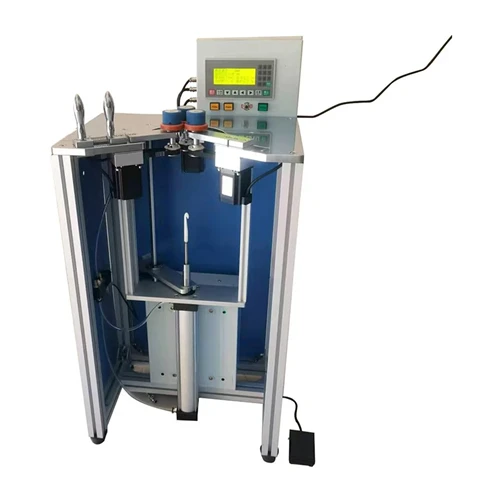
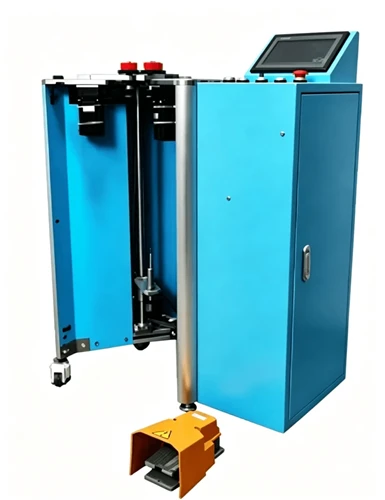
Equipped with industrial PLC and touch‑screen operation system, modern belt‑type winding machines realize fully automatic functions including wire feeding, winding, counting and stop.
Built‑in real‑time tension control stabilizes winding tightness for fine wires, ensuring neat layer arrangement and consistent electrical performance of finished coils. Multiple production programs can be stored for quick product switching.
2.3 Compact Design for Flexible Workshop Layout
Benchtop compact structure saves production space, supporting plug‑and‑play installation. It can be flexibly matched with assembly lines, ideal for small‑batch trial production and large‑scale mass manufacturing.
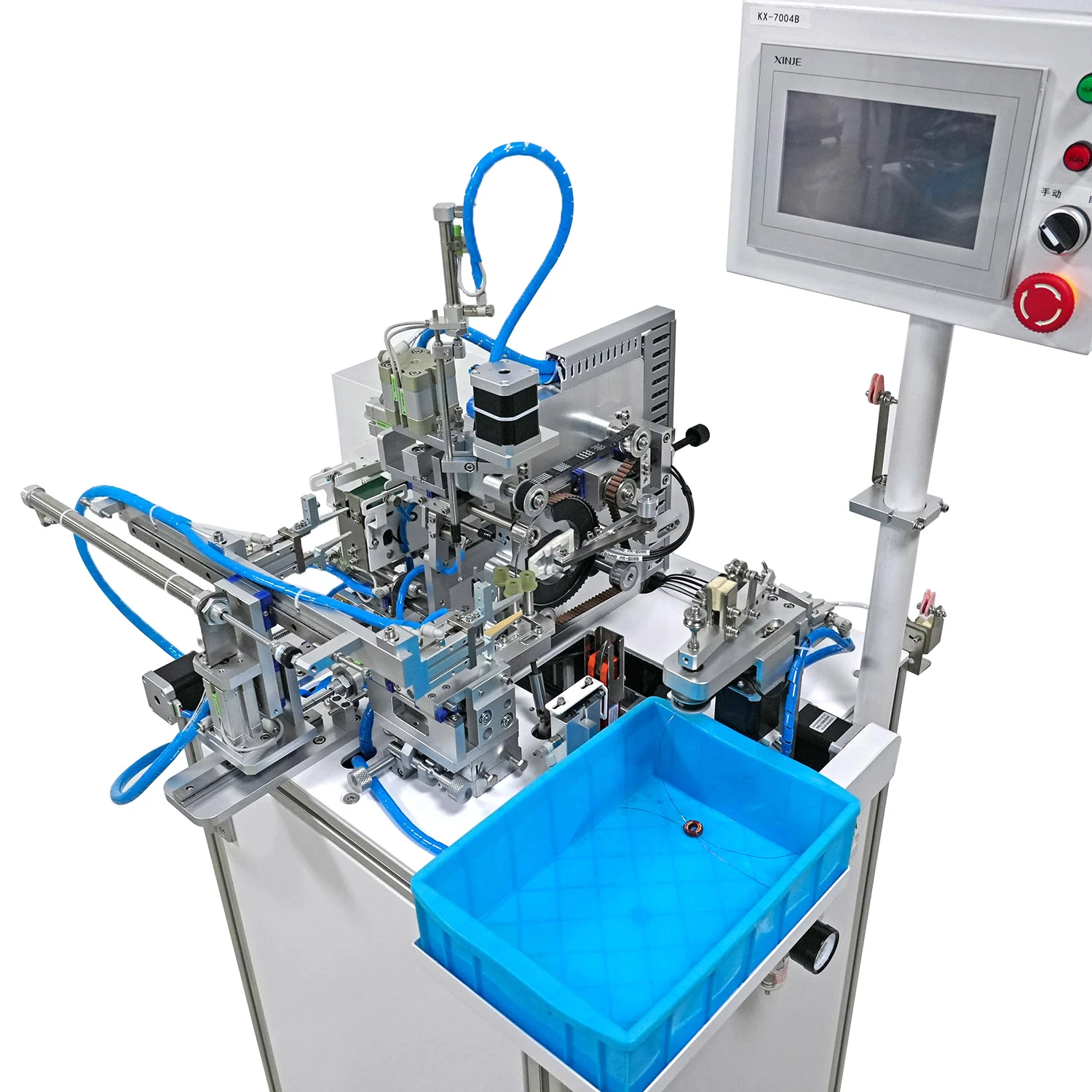
3. Market Prospect: Belt‑Type Winding Machine Leads Future Manufacturing Trend
As global industries including new energy, automotive electronics, medical devices and IoT keep expanding, demand for high‑precision miniature toroidal coils will maintain steady growth.
Belt‑type fully automatic toroidal winding machines balance high precision, stable performance and economic cost, becoming the preferred equipment for medium and small‑size coil manufacturers worldwide.
Compared with gear‑driven models, they offer lower entry thresholds and higher production efficiency, bringing greater profit margins to end‑users.

4. Recommended High‑Performance Model for Global Buyers
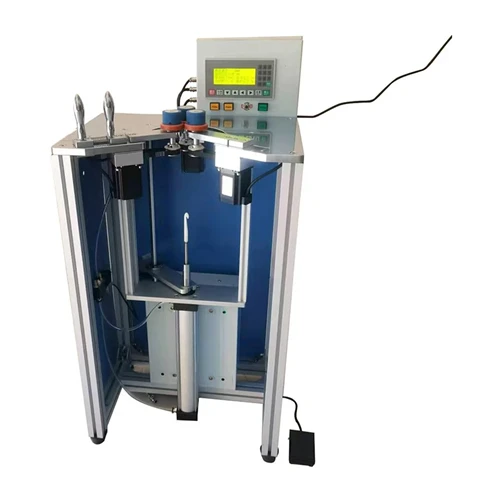
For manufacturers seeking reliable fine‑wire toroidal winding solutions, we highly recommend our KX‑7004B 4‑Inch Belt‑Type Fully Automatic Toroidal Winding Machine.
Optimized for 0.15–0.4 mm fine wire and cores with max outer diameter 30 mm, this model integrates stable belt‑drive technology, intelligent PLC control and precision tension adjustment.
It is widely used for miniature transformers, high‑frequency inductors, current sensors and medical‑grade coils.