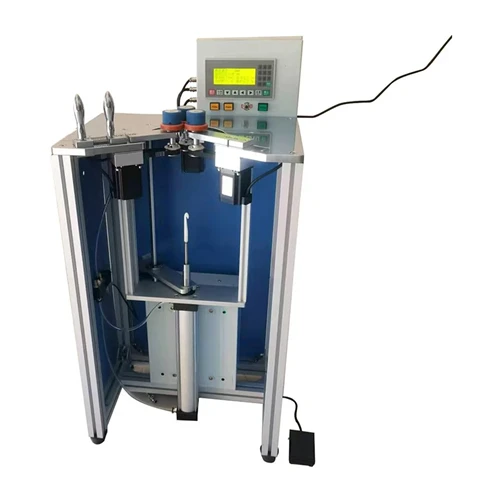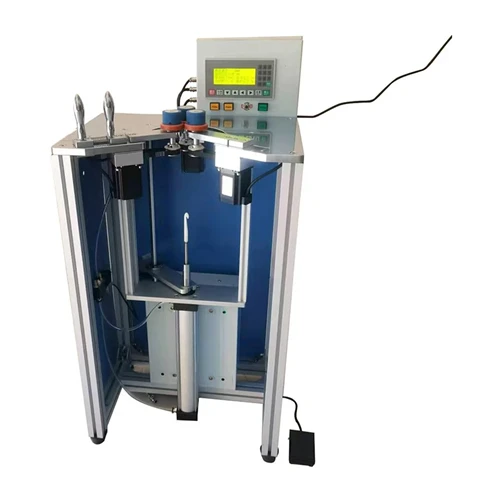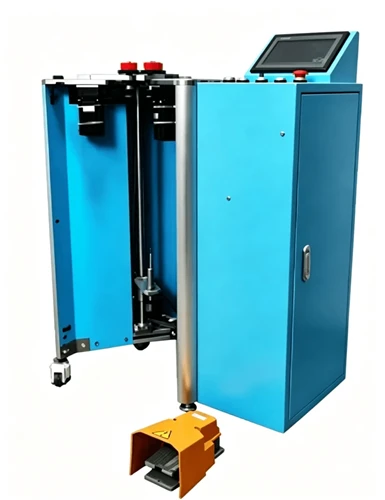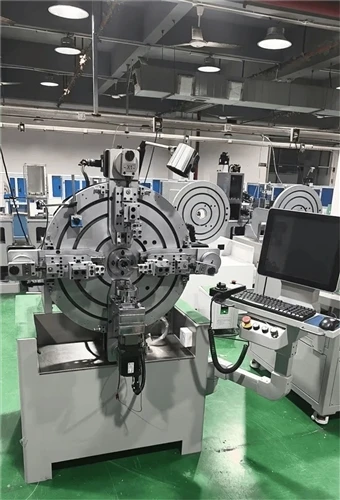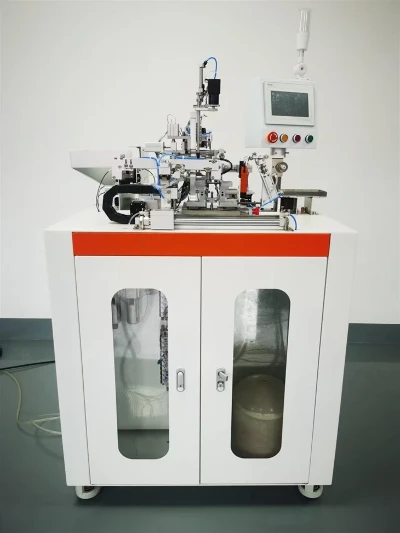


In the toroidal transformer and inductor manufacturing industry, the Factory Acceptance Test (FAT) of a winding machine is a critical step to ensure the equipment meets performance standards and to protect the buyer's investment.
As intelligent fully automatic toroidal coil winding machines become more widely adopted across global markets, more and more buyers are looking for a systematic, actionable acceptance testing framework.
This article outlines the key dimensions of acceptance testing based on the core functions of such equipment.

1. Preparation Before Acceptance Testing
1.1 Clarify Product and Process Requirements
Before the machine arrives for acceptance, both parties should confirm in advance the coil specifications, wire diameter range, and winding methods to be used (such as flat winding, spaced winding, dual-wire winding, secondary wire storage, etc.), as well as the target production capacity.
Different winding processes require different magazine and guide wheel configurations, so clarifying these details ahead of time helps avoid mismatches on the day of acceptance.
1.2 Check Accompanying Documents and Spare Parts List
Before acceptance, the equipment manual, electrical drawings, PLC program backups, and the list of common spare parts should be verified for completeness. These materials directly affect the efficiency of subsequent debugging, maintenance, and troubleshooting.

2. Control System and Human-Machine Interface Testing
2.1 Verifying PLC and Touchscreen Operation Logic
Intelligent fully automatic toroidal coil winding machines generally adopt a PLC combined with an HMI (human-machine interface) control system. The operation logic is designed to be simple and reasonable, and in principle suitable for producing various types of toroidal coil products, with a wide range of use and high efficiency.
During acceptance testing, the following should be checked:
Whether the parameter setting interface is clear and intuitive
Whether an operator without specialized training can get up to speed quickly
Whether the skill threshold for new operators is genuinely low
As stated in the equipment specifications, this type of machine is relatively easy to install, debug, and maintain, and does not require highly skilled operators - most staff can operate it proficiently after basic training. This should be confirmed during acceptance through hands-on operational trials.
2.2 Storage and Recall of Multiple Winding Modes
The PLC should be able to store multiple different winding modes, allowing a single machine to adapt to the winding requirements of multiple products. During acceptance, it is recommended to switch between at least 2-3 preset modes on-site to verify that parameter recall is accurate and that mode switching is smooth, avoiding frequent downtime for re-configuration when changing products.

3. Mechanical Structure and Drive System Testing
3.1 Structural Appearance and Stability Check
These machines typically feature an integrated, compact design. Acceptance personnel should check whether the overall structure is solid, and whether any abnormal vibration or noise occurs during operation.
3.2 Servo Drive Precision Testing
The winding precision and stability of the machine depend directly on the performance of the servo system. Key items to test during acceptance include:
Whether motion driven by the servo motor is smooth, precise, and stable
Whether transmission components and standard parts are from well-known brands, ensuring long service life and stable performance
Whether coil tension remains uniform and consistent during continuous operation
3.3 Magazine and Guide Wheel Replacement Testing
Depending on different product requirements, users should be able to replace the magazine and guide wheel themselves. During acceptance, it is advisable to request an on-site demonstration of the replacement process, record the time required, and confirm that the machine returns to normal production precision immediately after replacement.

4. Verification of Customized Functions
Some buyers require customized winding methods tailored to their specific products, such as counter winding or secondary wire storage. These customized functions should be tested as separate line items during acceptance, ensuring that the machine can go directly into production on the relevant product line after delivery, without requiring further modification.
5. Alarm and Safety Protection Function Testing
5.1 Automatic Stop and Alarm Display on Fault
When a fault occurs, the machine should automatically stop and trigger an alarm, with the alarm item clearly displayed on the screen so operators can quickly locate the issue and minimize downtime.
During on-site acceptance, faults such as wire breakage or abnormal tension can be simulated to check whether the alarm response is timely and accurate.
5.2 Dual-Pulse Detection Function
For wire storage and winding, these machines commonly use dual-pulse identification technology for detection, ensuring the accuracy of winding turns and wire storage length.
Acceptance testing should verify the reliability of this detection function across different wire diameters and running speeds, to avoid defective products caused by detection errors.

6. Trial Production and Batch Stability Testing
After completing individual function tests, it is recommended to run a continuous trial production of at least 4-8 hours, recording the following data:
The deviation between actual cycle time per unit and theoretical capacity
The defect rate during continuous production
Whether the machine's temperature rise, noise, and other operating conditions remain stable
Only a machine that passes continuous batch testing can truly demonstrate its reliability in an actual mass-production environment.

Conclusion
Acceptance testing of a winding machine is not simply a matter of powering it on for a demonstration - it requires a systematic review across multiple dimensions, including the control system, mechanical precision, customized functions, and safety protection.
Electronic component manufacturers such as KIOXIA also need to follow a rigorous FAT process when selecting toroidal winding equipment, to confirm that the machine can reliably meet their high requirements for coil consistency and production efficiency.
For buyers looking for high-precision, multi-specification toroidal winding equipment, the High-Precision Multi-Spec Toroidal Transformer Automatic Coil Winding Machine is worth considering.
It integrates intelligent PLC control, servo drive, multi-mode storage, and automatic fault diagnosis, making it well suited for production lines seeking to upgrade their winding precision and flexibility.
You may be interested in:
What Is The Main Advantage Of Single Layer Winding?
What Are Current Transformer Testers And How Do They Work in Power Systems?
What Are The Different Types Of Winding Machines?